Get Free Express Shipping when you place an order over $150





MDMA in Canada: Effects, Risks, Safety, and What You Should Know

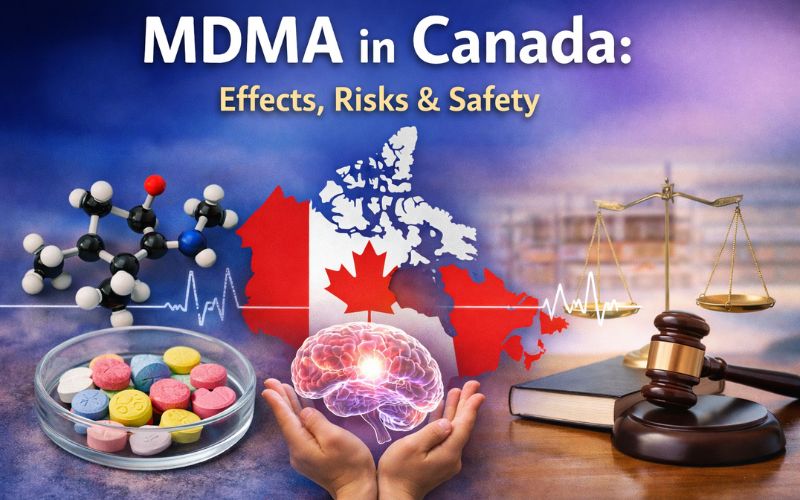
Interest in psychedelics and empathogenic substances has increased significantly across Canada in recent years. Among these substances, MDMA (3,4-methylenedioxymethamphetamine) is one of the most widely discussed due to its unique psychological and emotional effects.
Whether people are researching MDMA for educational purposes, understanding mental health research, or simply seeking factual information, it’s important to approach the topic with clarity and responsibility.
This guide provides a comprehensive overview of what MDMA is, how it works, potential effects, risks, safety considerations, and the current legal landscape in Canada.
What Is MDMA?
MDMA is a synthetic psychoactive compound often classified as an empathogen or entactogen, meaning it can increase feelings of emotional connection, empathy, and openness.
Although sometimes grouped with psychedelics, MDMA is pharmacologically distinct. It primarily affects brain chemicals such as:
- Serotonin – Influences mood and emotional regulation
- Dopamine – Associated with reward and pleasure
- Norepinephrine – Affects alertness and energy
Because of these interactions, MDMA produces effects that differ from classic psychedelics like psilocybin or LSD.
How MDMA Affects the Brain
MDMA increases the release of serotonin while temporarily blocking its reuptake. This surge can result in:
- Elevated mood
- Increased sociability
- Heightened emotional sensitivity
- Reduced fear response
- Enhanced sensory perception
However, once serotonin levels are depleted after the experience, some individuals may experience temporary mood drops, fatigue, or irritability.
Understanding this mechanism is important for informed decision-making.
Potential Effects of MDMA
Short-Term Effects
Common reported effects include:
- Euphoria or elevated mood
- Increased emotional openness
- Greater sense of connection
- Heightened empathy
- Increased physical energy
- Sensory enhancement
Effects typically begin within 30–60 minutes and may last several hours.
Possible Side Effects
Not all effects are positive. Some individuals may experience:
- Jaw tension or muscle tightness
- Increased heart rate
- Dehydration
- Overheating
- Nausea
- Anxiety
Experiences vary based on individual physiology, environment, dosage, and purity.
MDMA and Mental Health Research
One of the reasons MDMA has gained renewed attention in Canada and globally is due to research into MDMA-assisted therapy, particularly for:
- Post-traumatic stress disorder (PTSD)
- Trauma-related disorders
- Anxiety in certain clinical contexts
Clinical trials in controlled medical environments have shown promising results under professional supervision. However, it is important to distinguish between:
- Controlled, regulated clinical settings
- Unregulated or recreational use
Research is ongoing, and regulations may evolve over time.
Risks and Safety Considerations
MDMA is not risk-free. Understanding potential risks is essential.
1. Overheating and Dehydration
MDMA can increase body temperature. In certain environments, this can become dangerous.
2. Serotonin Depletion
Temporary mood changes may occur after use due to serotonin reduction.
3. Cardiovascular Stress
Increased heart rate and blood pressure may pose risks for individuals with pre-existing conditions.
4. Unknown Purity
Unregulated substances may contain adulterants or contaminants, increasing unpredictability.
5. Mental Health Vulnerability
Individuals with certain psychiatric conditions may experience adverse reactions.
Harm Reduction and Responsible Awareness
While abstinence is the only way to eliminate risk completely, harm reduction focuses on minimizing potential negative outcomes through education.
Important principles include:
- Avoid mixing with alcohol or other substances
- Stay hydrated (but avoid overhydration)
- Be in a safe, trusted environment
- Avoid use if you have heart or mental health conditions
- Allow adequate recovery time
- Understand that effects vary by individual
Education and awareness are key to reducing harm.
Legal Status of MDMA in Canada
MDMA is classified as a Schedule I substance under Canada’s Controlled Drugs and Substances Act. This means:
- Possession is illegal outside approved medical or research settings
- Distribution and sale are criminal offenses
- Legal access is limited to authorized clinical research
Anyone researching MDMA in Canada should stay informed about current regulations and evolving policies.
Frequently Asked Questions
Is MDMA the same as ecstasy?
“Ecstasy” is often used as a street name. However, products sold under that name may contain other substances. Pure MDMA and street formulations are not always the same.
How long do MDMA effects last?
Effects typically last 4–6 hours, though after-effects may persist longer.
Can MDMA cause addiction?
MDMA is not typically considered physically addictive, but psychological patterns of misuse can occur.
Is MDMA used in therapy in Canada?
Research trials are ongoing under controlled medical settings, particularly for PTSD treatment.
Who should avoid MDMA?
Individuals with heart conditions, mental health disorders, or those taking certain medications should avoid it unless under medical supervision.
Final Thoughts
MDMA continues to be an important topic in Canada’s evolving conversation around mental health research, psychedelic science, and public policy. While clinical studies are exploring its potential therapeutic applications, MDMA also carries meaningful risks — particularly outside regulated medical environments.
The most important priority is always education, awareness, and responsible decision-making. Understanding how MDMA works, its potential effects, and the legal landscape in Canada empowers individuals to make informed choices.
At ElevatedYou, we believe that knowledge comes first. Our goal is to provide educational resources that help Canadians better understand emerging topics in wellness and psychedelic research, while encouraging safety and informed awareness.
Staying informed is the first step toward making thoughtful and responsible decisions.