Get Free Express Shipping when you place an order over $150





MDMA in Canada: What You Should Know Before Making Any Decisions

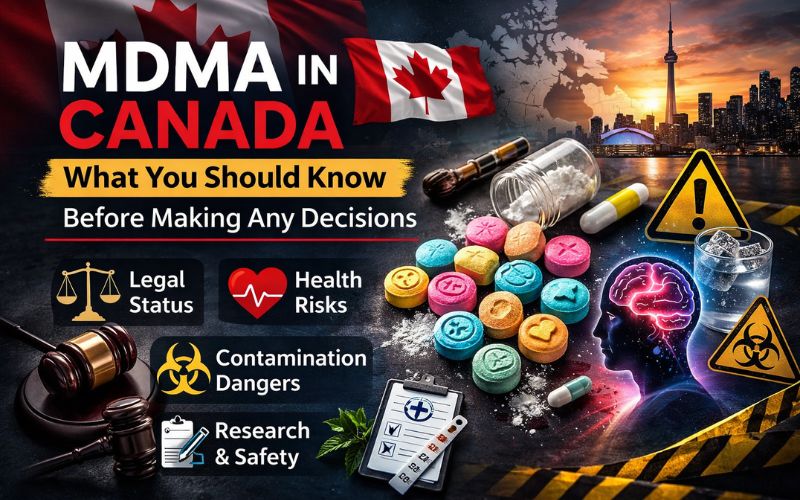
MDMA in Canada have become more open. Whether discussed in nightlife settings, wellness circles, or mental health research, MDMA is a topic that raises curiosity, concern, and many questions.
Before forming an opinion or making any decisions, it’s important to understand what MDMA is, how it affects the body, what the law says in Canada, and the risks involved.
Let’s break it down clearly and honestly.
What Is MDMA?
MDMA (3,4-methylenedioxymethamphetamine) is a synthetic psychoactive substance that affects mood and perception. It is commonly known as ecstasy or molly.
MDMA primarily increases the activity of three brain chemicals:
- Serotonin – Influences mood, emotions, and empathy
- Dopamine – Linked to pleasure and reward
- Norepinephrine – Affects heart rate and energy levels
Because of this chemical interaction, users often report feelings of:
- Emotional openness
- Increased empathy
- Heightened sensory perception
- Energy and euphoria
However, these effects come with significant physical and psychological risks.
Is MDMA Legal in Canada?
Under the Controlled Drugs and Substances Act (CDSA), MDMA is classified as a Schedule I substance in Canada. This means:
- It is illegal to possess
- It is illegal to produce
- It is illegal to sell or distribute
Penalties can include fines, criminal charges, and imprisonment depending on the situation and quantity involved.
Even small amounts can lead to serious legal consequences.
Health Risks of MDMA
While some individuals associate MDMA with positive short-term emotional experiences, the potential risks should not be underestimated.
Short-Term Risks
- Increased heart rate and blood pressure
- Dehydration
- Overheating (hyperthermia)
- Nausea
- Jaw clenching
- Anxiety or panic
In crowded or high-temperature environments, overheating can become life-threatening.
Long-Term Risks
- Memory problems
- Sleep disturbances
- Mood disorders (including depression)
- Serotonin depletion
- Increased risk of substance dependency
Because MDMA affects serotonin heavily, repeated use can disrupt natural mood regulation.
The Reality of Contamination
One of the biggest dangers associated with illicit MDMA in Canada is unpredictability.
Many substances sold as “MDMA” may contain:
- Methamphetamine
- Synthetic cathinones (“bath salts”)
- Fentanyl
- Unknown chemical mixtures
Without laboratory testing, there is no guarantee of purity or dosage. This uncertainty significantly increases overdose and poisoning risks.
MDMA and Mental Health Research
In recent years, controlled clinical studies have explored MDMA-assisted psychotherapy for PTSD and trauma. However, these studies:
- Occur in highly regulated medical settings
- Use pharmaceutical-grade compounds
- Include medical supervision
- Follow strict dosing protocols
This is very different from recreational or unregulated use.
At present, MDMA is not broadly approved for general therapeutic use in Canada outside of specific research frameworks.
Harm Reduction Considerations
While abstinence is the safest option legally and medically, harm-reduction conversations aim to reduce risk where possible.
Common harm-reduction principles discussed publicly include:
- Avoid mixing substances
- Stay hydrated (but avoid excessive water intake)
- Avoid overheating
- Be in a safe environment
- Never use alone
That said, no method eliminates risk entirely.
Frequently Asked Questions (FAQs)
1. Can MDMA cause addiction?
While MDMA is not considered as physically addictive as opioids, psychological dependence can develop. Repeated use may lead to cravings and emotional reliance.
2. How long does MDMA stay in your system?
Effects typically last 4–6 hours, but the drug can remain detectable in urine for several days depending on dosage and frequency of use.
3. Can MDMA cause permanent damage?
Heavy or repeated use may lead to long-term changes in serotonin function, which can impact mood and memory.
4. Is MDMA safe if taken occasionally?
There is no guaranteed safe amount. Even occasional use carries health and legal risks, especially due to contamination concerns.
5. What should someone do in case of an emergency?
If someone shows signs of overheating, unconsciousness, or seizures, seek immediate medical help. In Canada, emergency services prioritize saving lives.
Final Thoughts
MDMA in Canada remains illegal and carries significant legal and health risks. While public discussions continue around mental health research and harm reduction, it’s important to separate clinical research from recreational use.